Postgraduate Certificate in Strength, Conditioning and Coaching
Postgraduate Certificate in Strength, Conditioning and Coaching
Downloads
Postgraduate Certificate in Strength, Conditioning and Coaching
Downloads
About this degree
The course equips students with an advanced understanding of strength and conditioning and the problem-solving abilities to employ this understanding in real-world coaching contexts. Through a blend of practical and theoretical learning, students are empowered to address complex performance challenges and make informed coaching decisions in high-pressure environments. This program is a timely and innovative response to the evolving demands of the sports and fitness industry, providing students with the tools to foster high-performance outcomes and drive changes in athletic training. The curriculum is designed to enhance critical thinking, creativity, and interpersonal skills, ensuring that graduates are not only capable of improving athletic performance but also of leading and inspiring teams in diverse and dynamic settings. Throughout the course, students will engage in a holistic learning experience that includes individual mentoring, formative feedback, and a carefully scaffolded curriculum, enabling them to synthesize knowledge across disciplines and apply it to real-world coaching scenarios. This comprehensive approach ensures that graduates are prepared to be impactful leaders and innovators in the field of strength and conditioning.
Postgraduate Certificate in Strength, Conditioning and Coaching
Downloads
What you'll learn
- Design and apply appropriate training and planning methodologies to enhance performance across different groups of athletes..
- Effectively communicate with athletes and other multidisciplinary stakeholders to solve performance problems.
- Apply self-awareness to work effectively with others and to plan strategic personal and professional development.
Postgraduate Certificate in Strength, Conditioning and Coaching
Downloads
Course Structure
Tiers
Tier 1:
750 hours | 30 ECTS
Tier 1:
About
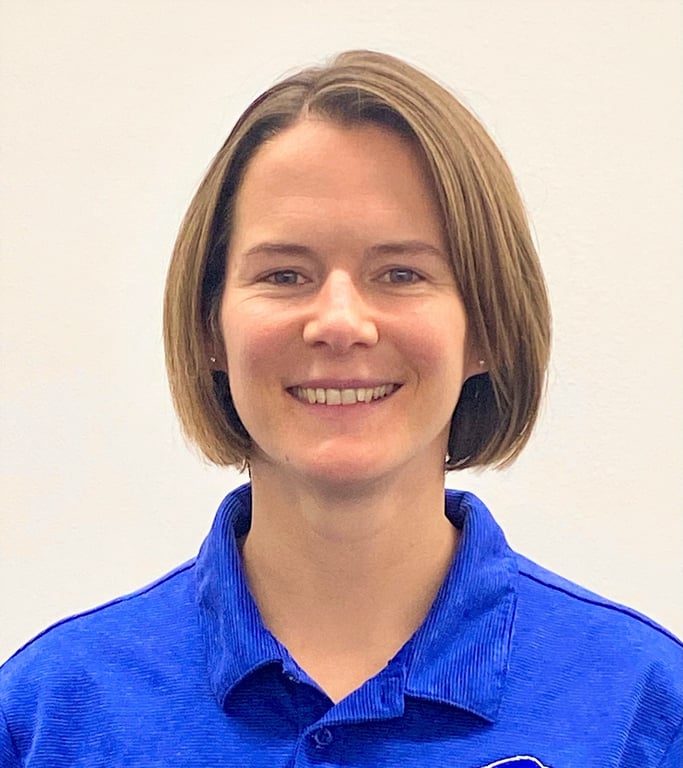
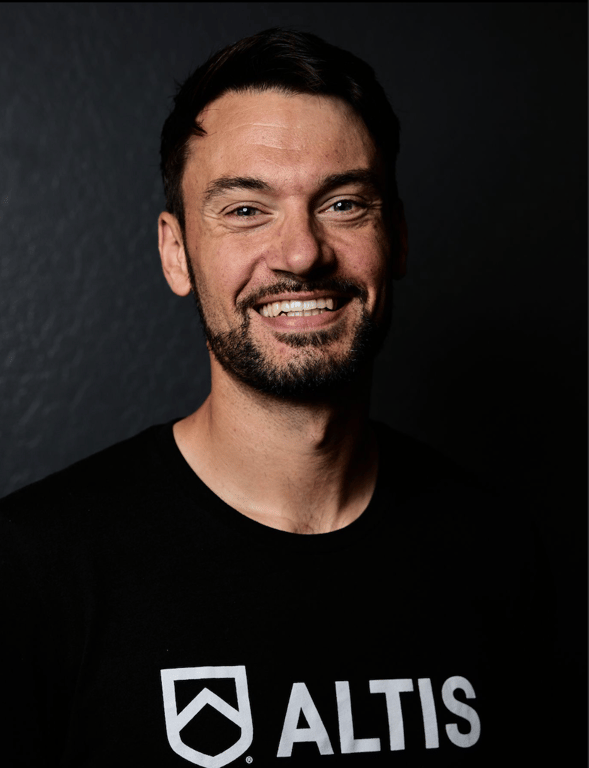
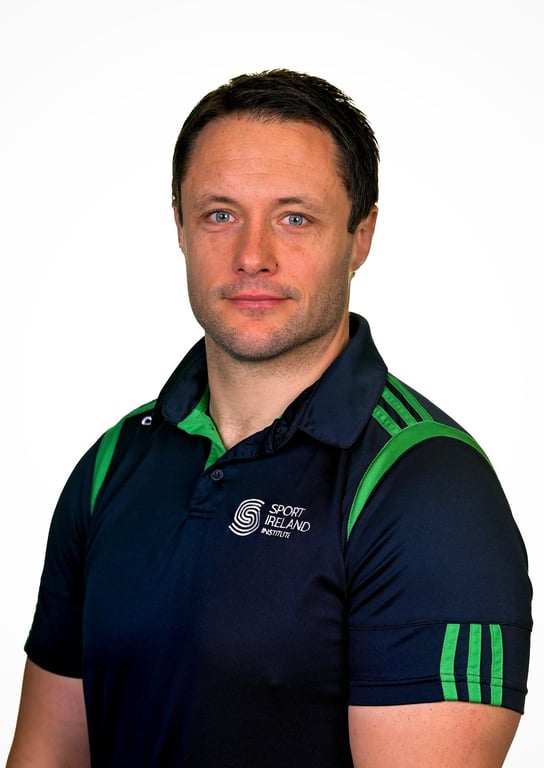
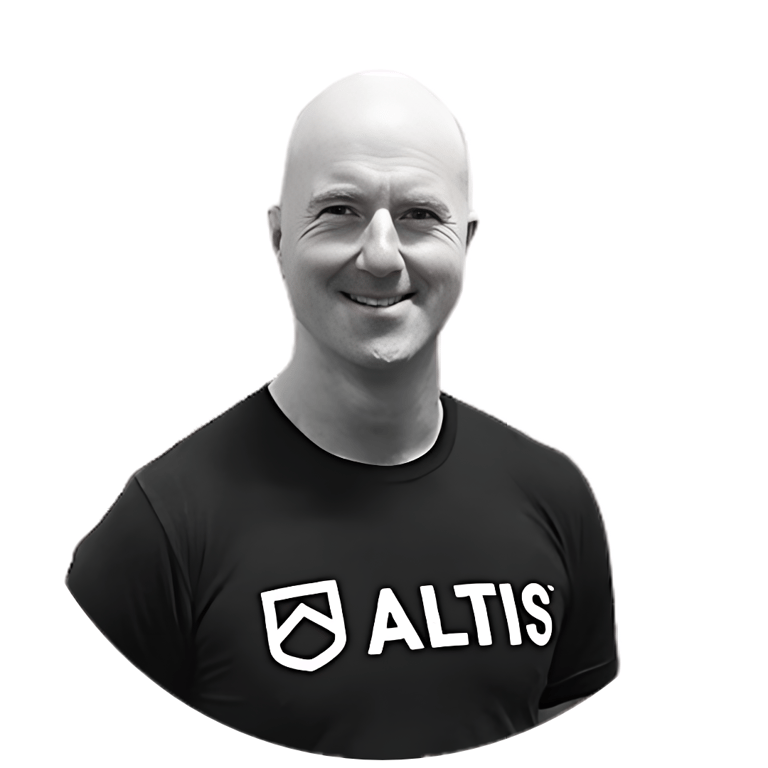
This module explores the foundational concepts of human movement through applied biomechanics, functional anatomy, and core physical principles as they relate to athletic performance. Delivered through a fully online mode, students engage with video demonstrations, structured coaching simulations, and reflective analysis tasks to explore the complex relationships between internal movement mechanisms and external environmental constraints. Through real-world coaching observations or simulations, students will evaluate movement patterns, adapt technical models, and apply critical problem-solving approaches in their own professional context. The module prepares students to supervise movement training, contribute to athlete development planning, and integrate human movement principles into team or organisational strategies.
Teachers

Intended learning outcomes
- Critically evaluate the biomechanical and anatomical principles underlying athletic movement and performance.
- Analyze how intrinsic and extrinsic constraints influence human movement in sport and exercise contexts.
- Synthesize evidence-based technical models for movement instruction using interdisciplinary perspectives.
- Implement strategies to modify and improve technical movement skills through virtual coaching simulations or guided practical tasks.
- Design and adapt movement-based coaching drills suitable for diverse athletes or performance contexts.
- Apply biomechanical and anatomical principles to assess athletic movement through video analysis or remote observation.
- Communicate movement assessment outcomes effectively to athletes or stakeholders using digital media or visual tools.
- Lead and supervise athlete movement development using informed movement strategies grounded in applied biomechanics.
- Manage and evaluate movement-focused training interventions within a remote coaching environment.
- Contribute to interdisciplinary coaching plans that integrate anatomical and movement knowledge within a team or organisational setting.
About
This module examines the science and art of coaching as a dynamic and context-sensitive process central to athlete development. Emphasizing leadership, interpersonal communication, and evidence-based skill acquisition strategies, students explore how coaching influences performance across diverse contexts. Delivered entirely online, students engage with virtual case studies, video-based athlete observations, and interactive coaching design tools to develop adaptive strategies. This module also facilitates collaborative decision-making and professional reflection, equipping students to lead within multidisciplinary teams and manage coaching environments to improve athletic outcomes.
Teachers
Intended learning outcomes
- Integrate leadership, communication, and interpersonal theories to inform the design of contextually relevant coaching practices.
- Critically examine the principles of skill acquisition and their application in the development of coaching strategies.
- Evaluate the coaching process and its outcomes across varying performance levels and learning environments.
- Adapt coaching methods to suit individual athlete needs based on personality, skill level, and learning preferences using online tools and athlete profiles.
- Design and justify intervention strategies for movement performance using skill development hierarchies and virtual simulation tasks.
- Facilitate effective coach-athlete communication and relationship-building using digital communication strategies and reflective feedback models.
- Collaborate in virtual multidisciplinary teams to analyse coaching problems and co-develop evidence-based solutions.
- Support athlete development by implementing tailored coaching plans and digital performance tracking.
- Lead and manage coaching interventions within multidisciplinary performance environments using virtual collaboration and planning tools.
- Contribute strategically to coaching decisions that enhance team or individual performance outcomes through online collaboration and feedback mechanisms.
About
This module focuses on the development and transfer of strength and power into dynamic athletic movements such as sprinting, agility, and change of direction (COD). Students will explore the biomechanical, neurological, and contextual factors that influence locomotor performance in sports. Delivered fully online, the module uses movement analysis platforms, technical model breakdowns, and virtual training design workshops to enable students to develop and critique individualized programs. Emphasis is placed on data-informed coaching, interdisciplinary collaboration, and context-relevant decision-making for performance enhancement.
Teachers


Intended learning outcomes
- Evaluate the effect of external constraints (environmental, task-specific, or individual) on performance outcomes in high-speed and agile movements.
- Analyse biomechanical and neuromuscular principles influencing speed, agility, and change of direction in multi-directional movement tasks.
- Critically appraise various training models for their effectiveness in developing sport-specific locomotive capacity.
- Integrate strength and power development principles into dynamic movement strategies through virtual simulations and training tasks.
- Adapt locomotion-based interventions based on individual assessments and performance data gathered through online coaching tools.
- Apply appropriate biomechanical models and video analysis techniques to assess and refine locomotive performance in a variety of sports contexts.
- Design context-specific training programs targeting improvements in speed, agility, and COD using digital planning tools and athlete profiling platforms.
- Contribute to multidisciplinary strategies to improve complex movement performance by integrating perspectives from strength & conditioning, biomechanics, and skill acquisition through virtual discussions and shared platforms.
- Guide and monitor athlete performance in speed and agility training scenarios using online feedback and remote assessment platforms.
- Organise and manage agility and multi-directional training plans with sport-specific goals in collaboration with remote coaching networks.
About
This module explores the science and application of strength and power training to enhance athletic performance. Students will examine force development in relation to task constraints and athlete needs, with a focus on physiological adaptations, programming strategies, and individual response variability. Delivered fully online, the course uses video analysis, interactive exercise design tools, and real-world coaching simulations to build students’ capabilities in designing and managing effective training programs. Emphasis is placed on making evidence-based coaching decisions, collaborating with virtual coaching networks, and refining practice through continuous feedback and reflection.
Teachers
Intended learning outcomes
- Evaluate the relationship between force generation, task constraints, and performance enhancement in sport-specific contexts.
- Synthesise evidence-based knowledge to propose alternative programming routes for diverse athlete needs and training limitations.
- Analyse the physiological mechanisms of strength and power development and their implications for training adaptation.
- Implement and adjust evidence-informed strength training strategies through virtual athlete monitoring and simulated decision-making exercises.
- Create intervention plans for strength and power development across a range of physiological and contextual training conditions.
- Design targeted training programs to improve strength and power using online planning platforms and scenario-based case studies.
- Use digital tools to track, interpret, and report on training outcomes to support athlete progress.
- Collaborate virtually with other coaches and allied professionals to co-develop strength training strategies aligned with performance goals.
- Manage the design and review of strength development programs, ensuring alignment with both performance targets and individual needs.
- Supervise and guide athletes in applying strength and power principles within sport-specific training contexts using remote coaching tools.
Specializations
Specialization certificate in Strength & Power
750 hours | 30 ECTS
Specialization certificate in Strength & Power
About
This module explores the foundational concepts of human movement through applied biomechanics, functional anatomy, and core physical principles as they relate to athletic performance. Delivered through a fully online mode, students engage with video demonstrations, structured coaching simulations, and reflective analysis tasks to explore the complex relationships between internal movement mechanisms and external environmental constraints. Through real-world coaching observations or simulations, students will evaluate movement patterns, adapt technical models, and apply critical problem-solving approaches in their own professional context. The module prepares students to supervise movement training, contribute to athlete development planning, and integrate human movement principles into team or organisational strategies.
Teachers
Intended learning outcomes
- Critically evaluate the biomechanical and anatomical principles underlying athletic movement and performance.
- Analyze how intrinsic and extrinsic constraints influence human movement in sport and exercise contexts.
- Synthesize evidence-based technical models for movement instruction using interdisciplinary perspectives.
- Implement strategies to modify and improve technical movement skills through virtual coaching simulations or guided practical tasks.
- Design and adapt movement-based coaching drills suitable for diverse athletes or performance contexts.
- Apply biomechanical and anatomical principles to assess athletic movement through video analysis or remote observation.
- Communicate movement assessment outcomes effectively to athletes or stakeholders using digital media or visual tools.
- Lead and supervise athlete movement development using informed movement strategies grounded in applied biomechanics.
- Manage and evaluate movement-focused training interventions within a remote coaching environment.
- Contribute to interdisciplinary coaching plans that integrate anatomical and movement knowledge within a team or organisational setting.
About
This module examines the science and art of coaching as a dynamic and context-sensitive process central to athlete development. Emphasizing leadership, interpersonal communication, and evidence-based skill acquisition strategies, students explore how coaching influences performance across diverse contexts. Delivered entirely online, students engage with virtual case studies, video-based athlete observations, and interactive coaching design tools to develop adaptive strategies. This module also facilitates collaborative decision-making and professional reflection, equipping students to lead within multidisciplinary teams and manage coaching environments to improve athletic outcomes.
Teachers
Intended learning outcomes
- Integrate leadership, communication, and interpersonal theories to inform the design of contextually relevant coaching practices.
- Critically examine the principles of skill acquisition and their application in the development of coaching strategies.
- Evaluate the coaching process and its outcomes across varying performance levels and learning environments.
- Adapt coaching methods to suit individual athlete needs based on personality, skill level, and learning preferences using online tools and athlete profiles.
- Design and justify intervention strategies for movement performance using skill development hierarchies and virtual simulation tasks.
- Facilitate effective coach-athlete communication and relationship-building using digital communication strategies and reflective feedback models.
- Collaborate in virtual multidisciplinary teams to analyse coaching problems and co-develop evidence-based solutions.
- Support athlete development by implementing tailored coaching plans and digital performance tracking.
- Lead and manage coaching interventions within multidisciplinary performance environments using virtual collaboration and planning tools.
- Contribute strategically to coaching decisions that enhance team or individual performance outcomes through online collaboration and feedback mechanisms.
About
This module explores the science and application of strength and power training to enhance athletic performance. Students will examine force development in relation to task constraints and athlete needs, with a focus on physiological adaptations, programming strategies, and individual response variability. Delivered fully online, the course uses video analysis, interactive exercise design tools, and real-world coaching simulations to build students’ capabilities in designing and managing effective training programs. Emphasis is placed on making evidence-based coaching decisions, collaborating with virtual coaching networks, and refining practice through continuous feedback and reflection.
Teachers
Intended learning outcomes
- Evaluate the relationship between force generation, task constraints, and performance enhancement in sport-specific contexts.
- Synthesise evidence-based knowledge to propose alternative programming routes for diverse athlete needs and training limitations.
- Analyse the physiological mechanisms of strength and power development and their implications for training adaptation.
- Implement and adjust evidence-informed strength training strategies through virtual athlete monitoring and simulated decision-making exercises.
- Create intervention plans for strength and power development across a range of physiological and contextual training conditions.
- Design targeted training programs to improve strength and power using online planning platforms and scenario-based case studies.
- Use digital tools to track, interpret, and report on training outcomes to support athlete progress.
- Collaborate virtually with other coaches and allied professionals to co-develop strength training strategies aligned with performance goals.
- Manage the design and review of strength development programs, ensuring alignment with both performance targets and individual needs.
- Supervise and guide athletes in applying strength and power principles within sport-specific training contexts using remote coaching tools.
Specialization certificate in Speed, COD & Agility
750 hours | 30 ECTS
Specialization certificate in Speed, COD & Agility
About
This module explores the foundational concepts of human movement through applied biomechanics, functional anatomy, and core physical principles as they relate to athletic performance. Delivered through a fully online mode, students engage with video demonstrations, structured coaching simulations, and reflective analysis tasks to explore the complex relationships between internal movement mechanisms and external environmental constraints. Through real-world coaching observations or simulations, students will evaluate movement patterns, adapt technical models, and apply critical problem-solving approaches in their own professional context. The module prepares students to supervise movement training, contribute to athlete development planning, and integrate human movement principles into team or organisational strategies.
Teachers
Intended learning outcomes
- Critically evaluate the biomechanical and anatomical principles underlying athletic movement and performance.
- Analyze how intrinsic and extrinsic constraints influence human movement in sport and exercise contexts.
- Synthesize evidence-based technical models for movement instruction using interdisciplinary perspectives.
- Implement strategies to modify and improve technical movement skills through virtual coaching simulations or guided practical tasks.
- Design and adapt movement-based coaching drills suitable for diverse athletes or performance contexts.
- Apply biomechanical and anatomical principles to assess athletic movement through video analysis or remote observation.
- Communicate movement assessment outcomes effectively to athletes or stakeholders using digital media or visual tools.
- Lead and supervise athlete movement development using informed movement strategies grounded in applied biomechanics.
- Manage and evaluate movement-focused training interventions within a remote coaching environment.
- Contribute to interdisciplinary coaching plans that integrate anatomical and movement knowledge within a team or organisational setting.
About
This module examines the science and art of coaching as a dynamic and context-sensitive process central to athlete development. Emphasizing leadership, interpersonal communication, and evidence-based skill acquisition strategies, students explore how coaching influences performance across diverse contexts. Delivered entirely online, students engage with virtual case studies, video-based athlete observations, and interactive coaching design tools to develop adaptive strategies. This module also facilitates collaborative decision-making and professional reflection, equipping students to lead within multidisciplinary teams and manage coaching environments to improve athletic outcomes.
Teachers
Intended learning outcomes
- Integrate leadership, communication, and interpersonal theories to inform the design of contextually relevant coaching practices.
- Critically examine the principles of skill acquisition and their application in the development of coaching strategies.
- Evaluate the coaching process and its outcomes across varying performance levels and learning environments.
- Adapt coaching methods to suit individual athlete needs based on personality, skill level, and learning preferences using online tools and athlete profiles.
- Design and justify intervention strategies for movement performance using skill development hierarchies and virtual simulation tasks.
- Facilitate effective coach-athlete communication and relationship-building using digital communication strategies and reflective feedback models.
- Collaborate in virtual multidisciplinary teams to analyse coaching problems and co-develop evidence-based solutions.
- Support athlete development by implementing tailored coaching plans and digital performance tracking.
- Lead and manage coaching interventions within multidisciplinary performance environments using virtual collaboration and planning tools.
- Contribute strategically to coaching decisions that enhance team or individual performance outcomes through online collaboration and feedback mechanisms.
About
This module focuses on the development and transfer of strength and power into dynamic athletic movements such as sprinting, agility, and change of direction (COD). Students will explore the biomechanical, neurological, and contextual factors that influence locomotor performance in sports. Delivered fully online, the module uses movement analysis platforms, technical model breakdowns, and virtual training design workshops to enable students to develop and critique individualized programs. Emphasis is placed on data-informed coaching, interdisciplinary collaboration, and context-relevant decision-making for performance enhancement.
Teachers
Intended learning outcomes
- Evaluate the effect of external constraints (environmental, task-specific, or individual) on performance outcomes in high-speed and agile movements.
- Analyse biomechanical and neuromuscular principles influencing speed, agility, and change of direction in multi-directional movement tasks.
- Critically appraise various training models for their effectiveness in developing sport-specific locomotive capacity.
- Integrate strength and power development principles into dynamic movement strategies through virtual simulations and training tasks.
- Adapt locomotion-based interventions based on individual assessments and performance data gathered through online coaching tools.
- Apply appropriate biomechanical models and video analysis techniques to assess and refine locomotive performance in a variety of sports contexts.
- Design context-specific training programs targeting improvements in speed, agility, and COD using digital planning tools and athlete profiling platforms.
- Contribute to multidisciplinary strategies to improve complex movement performance by integrating perspectives from strength & conditioning, biomechanics, and skill acquisition through virtual discussions and shared platforms.
- Guide and monitor athlete performance in speed and agility training scenarios using online feedback and remote assessment platforms.
- Organise and manage agility and multi-directional training plans with sport-specific goals in collaboration with remote coaching networks.
Postgraduate Certificate in Strength, Conditioning and Coaching
Downloads
Apply Now
Ready to start your journey? Apply for Postgraduate Certificate in Strength, Conditioning and Coaching today.